THE RIDE ENDS HERE : RAPIDO BIKE BAN IN J&K
By SHAHID HAKLA POONCHI
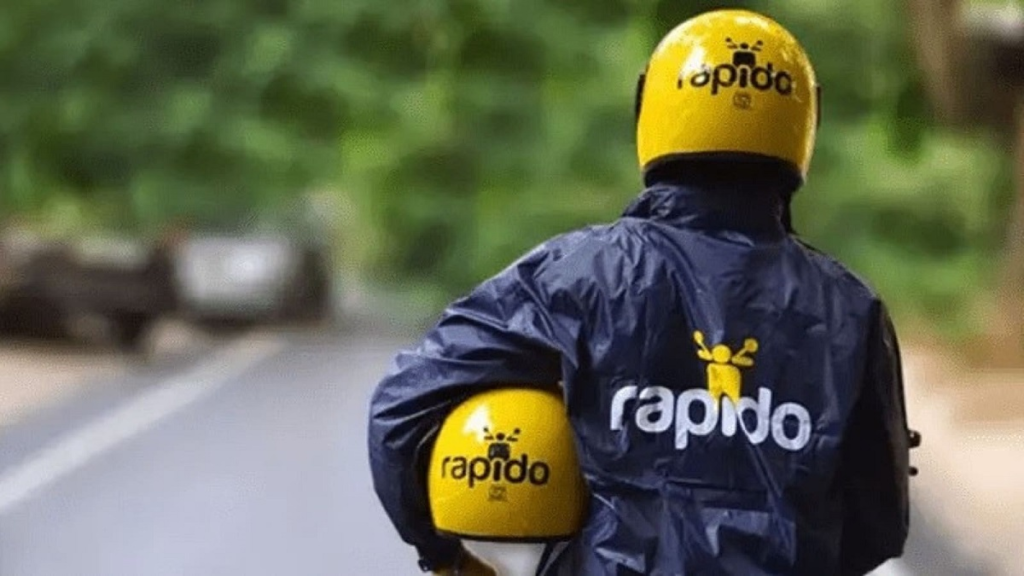
The Jammu and Kashmir administration’s decision to halt Rapido’s bike taxi operations has sparked a debate that reaches far beyond transport law.
A question about permits and aggregator rules now sits at the center of a much larger public debate about unemployment, mobility, affordability, and the widening gap between policy and daily life.
Authorities say Rapido’s bike taxi service operated without approval under the J&K Motor Vehicle Aggregator Rules, 2023. Officials also point to passenger safety, insurance standards, accountability, and driver verification as central concerns. Those arguments hold legal weight.
Public transport demands oversight, especially in a region where security and monitoring remain central parts of governance.
Public frustration, however, comes from the selective nature of the ban.
Rapido’s cab and auto services continue to function. Delivery riders working with food and parcel platforms move through Srinagar and Jammu every day on motorcycles without interruption. Citizens therefore see a contradiction that the administration has failed to explain convincingly.
If app-based mobility services already exist on Kashmiri roads, many people ask why passenger bike taxis alone invite prohibition.
That question is now sparking this controversy.
Citizens usually accept regulation when rules appear fair and consistent. Public trust weakens when policies appear uneven. Kashmiris now see one category of commercial two-wheelers treated as acceptable while another category faces closure, despite similar operating models and similar use of digital platforms.
Government officials could have used this moment to build a regulatory system suited to modern urban mobility. Instead, the administration chose a route that many commuters and riders see as abrupt and disconnected from economic reality.
Economic reality matters deeply in Jammu and Kashmir.
Thousands of young people continue to struggle with shrinking employment opportunities and rising living expenses. Competitive exams consume years of preparation. Private sector jobs remain limited. Small income streams often become the difference between dependence and survival.
Bike taxi platforms gave many young men a workable path into self-employment. Students paid tuition fees through daily rides. Graduates supported families while searching for long-term careers. Young riders used personal motorcycles to generate income without waiting endlessly for recruitment drives or temporary contracts.
That reality deserves serious attention.
Public debate around Rapido often treats riders as anonymous app workers. Many of them actually represent a generation trying to build stability through initiative and hard work. A rider with a motorcycle and a smartphone found a way to participate in the economy through his own effort. That mattered in a place where economic frustration already runs deep.
Several riders have said they would welcome registration systems, police verification, insurance checks, fitness requirements, and licensing procedures. Most never demanded a free pass outside the law. They wanted a legal framework that allowed them to continue earning.
That distinction matters because regulation and prohibition serve very different purposes.
Commuters also embraced bike taxis for practical reasons that traditional transport systems failed to address. Affordability played a major role. Passengers in Jammu and Srinagar frequently complain about inconsistent auto-rickshaw fares, especially during peak hours or short-distance trips. Daily commuters often face bargaining disputes before a ride even begins.
Bike taxis introduced predictable pricing through a mobile app. Passengers saw fares before booking. Digital payments reduced arguments over cash. Ride tracking and driver details created a stronger sense of accountability. Office workers reached destinations faster through congested roads. Students saved time and money during packed academic schedules.
Citizens rarely adopt a service at scale without a reason.
Rapido gained popularity because it solved problems that already existed in Kashmir’s transport ecosystem. Public demand grew because people found the service practical, affordable, and efficient. That demand now continues despite the ban, which suggests that the larger issue extends far beyond one company’s compliance failures.
Technology often exposes weaknesses in older systems. App-based cabs disrupted conventional taxi networks in many Indian cities. Online commerce transformed retail markets. Digital payments changed how small businesses operate. Similar resistance appeared during each transition, especially when new systems challenged existing interests and older business models.
Kashmir now faces a similar crossroads in urban mobility.
Administrations certainly possess the authority to regulate emerging services. Strong regulation protects passengers and creates accountability. Clear laws also help legitimate businesses operate transparently. Effective governance therefore requires rules that respond to changing realities rather than policies that freeze public life in older frameworks.
Bike taxis require regulation. Riders should undergo verification. Insurance standards should remain mandatory. Fare structures should remain transparent. Passenger safety should guide every operational rule. Government agencies should also create grievance systems and monitoring mechanisms that protect commuters.
A complete shutdown, however, solves very little.
Public demand for affordable mobility will continue. Economic pressure on unemployed youth will continue. Traffic congestion in growing urban centers will continue. Those realities require policy innovation rather than selective enforcement.
Kashmir’s transport debate therefore presents a larger test of governance itself. Strong governance listens carefully to public experience while building systems that uphold legality and accountability. Effective policy grows through engagement with changing social conditions rather than resistance to every new model that emerges.
Many Kashmiris now seek clarity more than confrontation. They want to understand why passenger bike taxis face prohibition while other app-based transport and delivery services continue to operate freely. They also want policies that recognize the financial strain many families face each month.
That debate deserves honesty, consistency, and public engagement.
Jammu and Kashmir’s administration still has an opportunity to correct course through a balanced regulatory framework that protects passengers while preserving livelihoods.
Such a policy could bring bike taxis into the legal system instead of pushing demand into uncertainty and resentment.
People in Kashmir need transport systems that work for their daily realities. Young workers deserve policies that expand lawful economic opportunity instead of narrowing it further.
Good governance succeeds when it adapts wisely to how ordinary citizens actually live, travel, and earn.