LONELINESS : THE UNWANTED COMPAMY & HOW TO OVERCOME THIS
By SHAHID HAKLA POONCHI
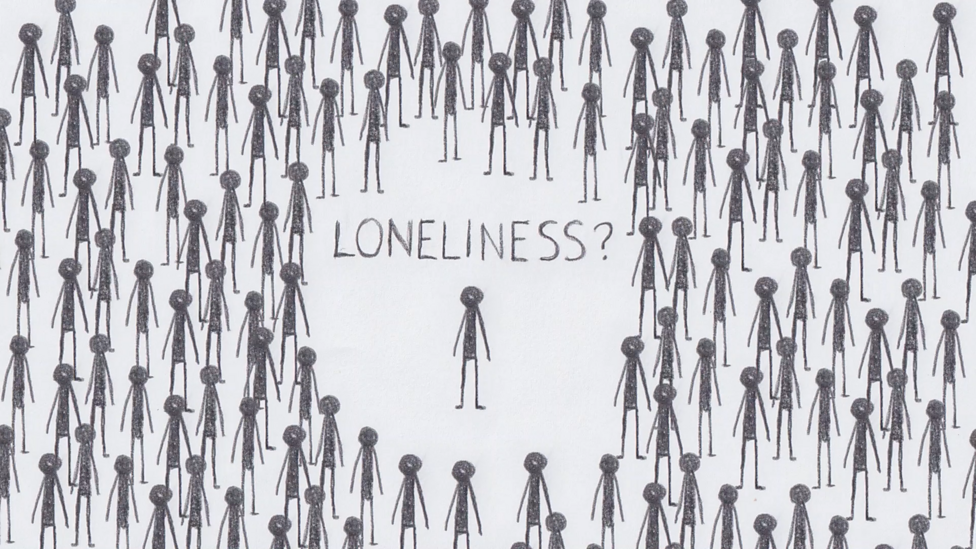
Being alone is a physical state—simply being by yourself. Being lonely, however, is an emotional state: feeling disconnected, misunderstood, or isolated, even when people are around you. It is a strange phenomenon: a person who was once talkative and vibrant may suddenly stop sharing or communicating. The causes vary—personal loss, trauma, bullying, or broken trust—and the effects can be profound.
The Problem with Loneliness
Loneliness often arises from feeling misunderstood or unsupported. Many people report that the very individuals they trusted fail to empathize, leaving them hesitant to open up again. This lack of connection can make a person feel as though no one is there to lean on, even when support exists—they just haven’t yet found the right person.
In our modern era, technology—mobile phones, AI tools like ChatGPT or Google Bard—has replaced much of human companionship. Yet no software can replace a genuine human comrade, someone who listens, understands, and shares your emotional journey.
Loneliness can trap a person “between the hammer and the anvil”—leading to destructive behaviors such as substance abuse, excessive screen time, depression, pornography, or under-confidence. While some learn to enjoy their own company, others hide inner despair behind a facade of happiness. Overthinking, self-doubt, and even suicidal thoughts can arise from prolonged loneliness.
Students, farmers, housewives, unemployed people, and others frequently report feeling depressed or trapped in toxic environments, highlighting the widespread nature of this issue.
The Harsh Reality: Statistics and Reports
According to the National Crime Records Bureau (NCRB):
• 12,000 students committed suicide in 2022, including 23 in Kota alone.
• 48,000 women died by suicide, with 52% being homemakers.
• Common causes included family problems and illness, followed by drug abuse, alcohol addiction, and marriage-related issues, such as dowry disputes.
These numbers illustrate that loneliness, societal pressure, academic stress, and economic hardship are major contributing factors.
In response, the Government of India introduced the National Suicide Prevention Strategy (2022), aiming to:
• Reduce suicide mortality by 10% by 2030.
• Establish psychiatric outpatient services in all districts.
• Integrate mental well-being curriculums in schools.
• Promote responsible media reporting and restrict access to means of suicide.
While these policies and NGO interventions are vital, overcoming loneliness, depression, and overthinking must begin within the individual. Suicidal thoughts and self-destructive behaviors are never solutions—they are cries for connection and support.
Overcoming Loneliness
Being alone can be peaceful, but loneliness is often rooted in crowded or interactive environments and can be distressing. The goal is to cultivate emotional resilience and positive social connections.
Practical solutions include:
• Surround yourself with positive, understanding people.
• Accept that life has ups and downs; not every day will be perfect.
• Lower expectations from others; avoid seeking validation from everyone.
• Maintain an optimistic outlook.
• Identify at least one trusted person (parent, sibling, relative, friend) to whom you can open your thoughts and feelings.
• Engage in outdoor activities, sports, and morning/evening walks to refresh the mind.
• Avoid isolating yourself; stay socially and mentally active.
• Set clear goals to remain focused and productive, reducing time for overthinking.
• Students should focus on consistent effort, proper planning, and perseverance rather than undue pressure.
• Individuals in relationships should strive for understanding, communication, and mutual support.
• Remember: every problem has a solution. Sharing difficulties with a trusted confidant can halve the burden.
• It is better to seek support than to suffer silently.
WAY FORWARD
Loneliness is a challenging, yet universal, experience. While technology can assist and distract, it cannot replace human connection, empathy, and genuine companionship. By seeking positive relationships, maintaining routines, and pursuing meaningful goals, we can overcome loneliness and build emotional resilience.
The key lies in reaching out, sharing, and connecting—because no one is meant to face life entirely alone.
“A problem shared is a problem halved; a companion found is a burden lifted.”